
Can we even think of our life without electricity? Of course not. It is so normal for us to plan the availability and distribution of electricity at all desired points while designing any commercial building, home, office, factory, or any shop, etc. Electric cables and wires are installed in a manner to ensure the availability of power at all points of service. Since it is cumbersome and difficult to run these cables and wires all over the building, it is best to fix appropriate conduit electrical over the surface of the walls to route these cables and wires to the points of service in an organized manner.
Such flexi conduit can either be fixed over the surface of the walls or run through inside of the walls. Besides these functional advantages obtained using these conduits, another major benefit of these is the maintenance of the aesthetics of the building. It is to be noted that the specifications of the conduits to be used are determined by the size and weight of the electric wires to be used.
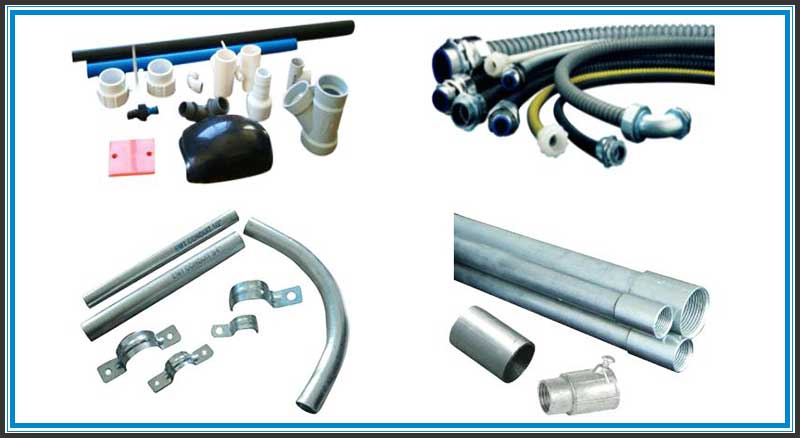
The number of options available in Electrical Conduit NZ includes:
- PVC conduits: This category of flexible cable conduit is considered best for outdoor applications since these are light in weight and versatile in applications. PVC conduits are available in different grades and suited for direct burial or above groundwork. These conduits are also used for different electrical requirements because they are flexible, durable, and corrosion-resistant.
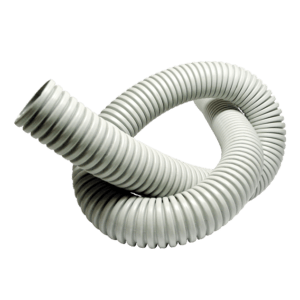
- Flexible PVC conduit systems are available at electrical stores with special fittings and are suitable for an extensive range of applications. While flexible conduit offers great protection from dampness because of its inbuilt mechanical properties, yet they are preferred to be used in dry places. Normal flexible conduit fittings are not as watertight as fittings for rigid PVC conduits. Flexible PVC conduits are also of the lighter gauge than rigid wall conduit and that calls for their use in above-ground applications.
- Solid wall, rigid PVC conduit is suited in applications application that requires conduits for electrical or plumbing applications. The materials used to make a rigid flexible electrical conduit can also be connected with watertight, removable fittings, or glued together using PVC cement. It is the rigidity of these types of PVC conduits that makes it suitable for use in applications, both above and below ground. However, in underground applications, it is advisable to lay a significantly bigger pipe as compared with the required pipe diameter.
Things to consider before the application
Normally, above-ground conduits are used to route electrical wiring and cables to ensure the protection of the wiring against physical damage. It is, therefore, possible to use both flexible and rigid conduits for above ground applications. It is recommended that while using a flexible conduit, the materials should be anchored every 12 to 16 inches to prevent the electrical conduit Auckland from sagging to avoid wires within from getting tangled.
The use of rigid wall PVC conduit implies a higher degree of expansion and contraction with varying temperature conditions. Therefore, for above ground applications, PVC conduit should be mounted with friction fit fasteners to factor movement caused by expansion and contraction.
For underground applications, solid wall PVC conduit electrical is highly recommended. Since PVC materials do not corrode, the materials remain stable at all temperatures. For fixing of communication and power cables, conduits of bigger diameters are required to enable pulling through the buried tubing. Typically below ground conduits are minimum of two inches in diameter.
A number of electrical conduit NZ can be bundled together and directly into the earth for applications that require a large number of wires to be pulled between buildings. For industrial and commercial applications, PVC conduits are buried and encased in concrete.
 TECH BASHA