Manifold Advantages of Using Electrical Conduit NZ Wiring

As and when you have plans to install conduit electrical wires and cables in your home, garage shed, or barn, you first have to take a call on what type of wiring to be used for the chosen job. Certain types of wires may come enclosed with a sheath coating. This means that these can be fixed on the wall studs. Such kinds of electrical conduit NZ wires that are enclosed in the same sheath are risk-prone to damage if it comes in contact with anything sharp.

For such applications, the available option is using single strands of electrical wire that can be pulled in metal conduit. Single strands of wires thus attached with the conduit can add numerous wires from one electrical box to the other. However, you will have to choose the correct option for a specific application as per the National Electrical Code as electrical conduit nz come in different styles, from fairly strong construction to extremely rigid.

Conduits that are used to run electrical wiring in exposed locations in and around your home come in many types and their selection is application-specific. For your homes you could have a requirement of conduit to the inside of the walls to facilitate pulling additional circuits through the existing conduit runs at later times, choice of a conduit has to be specific to application.

Stranded or solid wires, either THHN or THWN are usually pulled through the conduit. The size of the conduit electrical wires chosen for a specific application may vary, depending on the amount of amperage needed to supply the point you are feeding, and this, in turn, determines the specifications of the conduit to be used.

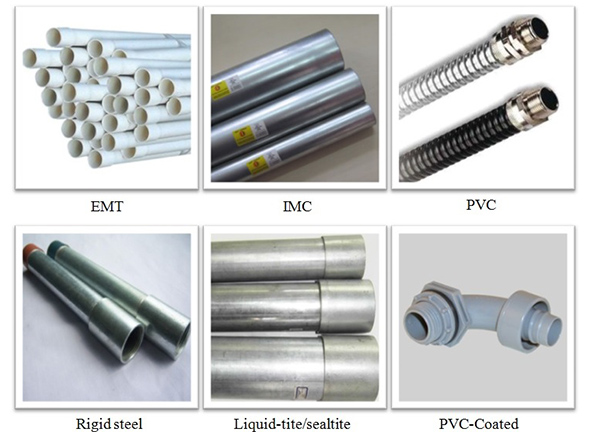
The electrical conduit NZ used for outdoor applications must be rated for that purpose. Different varieties of conduits in use are as follows:

  • PVC conduit is preferred for underground and wet location applications. Such conduits are equipped with PVC fittings, connectors, couplings, and elbows since these are easy to attach with a cleaner and PVC glue. Moreover, the PVC conduit being non-conductive, these could be installed to run a green ground wire in the conduit for proper grounding methods at connection points.
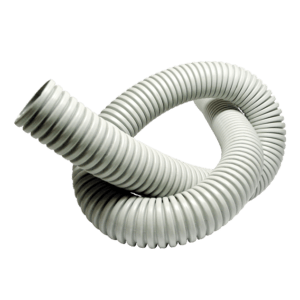
  • Flexible metal conduit is preferred to be used in areas that have restricted bends and limited space since it would be difficult to use regular conduits in such enclosed areas. Water heaters and attic vents are good examples of places where the flexible conduit installation can be most useful.
  • EMT conduits are easy to carry, easy to bend, and can be installed within the walls. However, they are prone to easy damage, unlike IMC or rigid conduit.
  • IMC conduit is galvanized and thicker that makes it a better choice for outdoor installations. Such conduits are also a good choice for exposed walls in basements, garages, outbuildings, and in those areas where the conduits are prone to damage easily.
  • Rigid metal conduit, the most robust and heaviest of all conduit electrical wires can be used to run them under driveways and numerous other areas with extreme conditions. Rigid conduit threaded on the end is pricier as compared to other categories of conduits. Rigid conduits are the preferred choice of many utility companies since their use could ensure much better protection to the wiring and will also be able to withstand any natural condition including problems because of harsh wind, falling branches, and storm damage. Many applications require such electrical conduit Auckland to run through the roof for a safe and secure installation.

Choosing the best Electrical Conduit Auckland for any Commercial Solar System

As part of the planning process for the installation of any commercial solar electrical system, a comprehensive site survey will help determine a correct electrical conduit Auckland path that will provide the best protection for the cables to be installed depending upon depending on the type of circuit and the anticipated hazards. The use of conduits is very common on circuits that leave PV arrays, thus protecting the string conductors in outdoor source circuits and also at PV output circuits from combiner boxes to inverters. These conduits can also be used for indoor applications for distribution boards.

Local bodies of the area have specified building and fire by-laws for wiring installation and may specify cable and conduit ratings. The requirement of different types of circuits may only have cable protection requirements at certain points, and accordingly conduit performance can differ for each location. Depending upon the location and routing along which cables are to be installed, be it running over the roof or under a building, it will be specified which kind of electrical conduit NZ will be appropriate.  

Design specifications for a specific application are also based on the minimum and maximum operating temperatures. Temperature conditions will determine the quantum of protection required for the conduit to be installed, whether metallic systems can be used, or else other techniques need to be used to absorb thermal expansion and contraction. To determine whether flexible or rigid is to be used will be based on the fact if conduit electrical will be subjected to vibration or movement. Also, how long the electrical conduit Auckland will be for an application will be based upon the large expansion that could be expected and it may be useful to use threaded IMC instead of compression fittings that may get loose over a period.

Resistance to sunlight radiations required for an electrical conduit NZ will be site-specific and determined by prevailing UV conditions. Depending upon where the conduit is to be installed, indoors or outdoors, and the kind of weather conditions the conduits will be subjected to the minimum ingress protection (IP) rating for the conduit needs to determined For outdoors or underground applications that will potentially have moisture inside that could condense under the right conditions, the NEC recommends that the conduit must be rated for wet locations. In such conditions, PVC will be required if such an operating environment may require additional oil or corrosion resistance.

As per Creedon, maintenance requirements for a particular application are also an important factor while selecting a conduit. Nearby grazing animals, industrial trimmers, or routine wash-down processes are potential hazards and designers must factor not only the types of hazards the electrical conduit NZ will face but also those that are anticipated during the lifetime of the installation.

For environment conditions that warrant the risk of explosion, fire, EMC screening, vandalism, theft, or electric shocks, electrical conduit Auckland to be used may need extra physical and mechanical protection. Also, much stronger protection may be needed in high areas such as roofs or parking garages or for connections under a building.

Useful life expectations of a conduit electrical depend on the environment, exposure, and the climate. Conduit located where it is routinely stepped on is prone to faster damage. Experts predict 8-10 years of useful life for a PVC conduit in Florida. Liquid-Tight Flexible Metal Conduit, made with materials similar to those used in automotive windshields, will last over 20 years.

For long term applications, corrosion resistance is important in metal raceways, especially those that are in the water, salt/marine, and underground environments. In the case of polymer-based electrical conduit Auckland, the UV resistance is highly significant n order to avoid cracking and any degradation.

Flexible or Rigid Electrical Conduits Auckland- Which is ideal for you?

Electricals are an important aspect of any office or residential property. To ensure there isn’t any flaw left, you hire the services of a professional electrician. However, it’s equally important for you to have knowledge about what’s getting installed and what’s the significance. One such significant electrical component is a conduit. When opting for electrical conduit Auckland , it’s important you know about the two categories available- flexible and rigid electrical conduit.

What’s the difference between Flexible and Rigid Conduit?

Flexible conduits are made to offer exactly the same protection to the electrical wiring as the rigid conduit. These include protecting the cable wiring and conductors installed in the residential, commercial, or industrial properties. The major difference between the two lies in their application and installation.

What are Flexible conduits?

The basic terminology means a liquid-tight flexible metallic conduit that offers electric solutions. The quality of the flexible electrical conduit NZ can be judged on a few parameters including resistance, strength, flexibility, and resistance towards crush, impact resistance, temperature, flammability, and more.

The liquid-tight flexible conduit is designed out of the spiral cord that includes galvanized steel. Other chief elements used to design the flexible conduits include stainless steel, brass, and aluminum, with each having their specific properties and characteristics. The spiral design of the conduit is designed for the flexibility and mechanical protection of the conductors it carries.

The conduit’s flexibility of use in either dynamic or static applications is determined by factors including the design, materials used in the formation, and the trade sizes. The best quality conduit available at the electrical stores is available in PVC jacket mostly but is also available in materials including thermoplastic rubber, PA nylon, and polyurethane.

Flexible electrical conduit Auckland is basically sued in installations where flexibility is the prime requirement for establishing the connections and where the wings can be subjected to vibrations and shock. The product selection however should be based on certain aspects including:

  • System temperature ratings
  • The certifications and approvals
  • Industry requirements and applications
  • Performance credibility over a period of time

Points to Consider when opting for Rigid Electrical Conduit NZ

Rigid conduit systems are basically used in industrial applications for electrical wirings and circuitry requirements for mechanical protection and support. Primarily, the rigid metal conduit is installed for outdoor applications for offering the necessary protection from any damage and impact.

Apart from the protection, the rigid electrical conduit NZ also offers structural support for the panels, electrical cables, and other equipment. One of the chief reasons people go in for these conduits is that they can be buried in the concrete.

Apart from the normal environment, rigid electrical conduits are well suited to be used and installed in harsh surroundings. For instance in industrial units, where there are lots of corrosive elements present, these conduits can be covered with a layer of PVC for enhanced safety and protection, thus increasing the life span of the wirings. Similarly, in units like chemical factories or gas and oil units, these rigid conduits allow the flow of gases and vapors, protecting against any mishap from fire and explosion.

Key Aspects Worth Remembering

  • Flexible and rigid conduits electrical can be placed together offering better performance and credible cable protection solutions.
  • Shifting from rigid and flexible conduits can be done easily with the use of enlargers, reducers, and thread converters.
  • Before deciding on the electrical conduit Auckland selection, ensure certain aspects regarding the installation including the weather, temperature, environment, corrosion, and certifications. 

A Detailed Guide of Electrical Conduit NZ for Homeowners

Conduit is used to give protection channels to the electrical wire. It may come in metal or plastic as per the choice. The channel that joins the conduit pieces is known as the Raceway. In a typical domestic wiring system, the cables are generally insulated and go through the walls or ceilings without a conduit. One of the main objectives of the electrical conduit Auckland is protection from physical damage or moisture so it is commonly used in the places where circuit wires are exposed.

Electrical Conduit Auckland Installation

Usually a conduit electrical contains at least two separate insulated wires. This is a primary factor that determines distinction from the cable, which is protected usually in protective armor. Cables are not run through conduits.

The most common installation for raceway includes the conduit, boxes, connectors, and its fittings. A flexible metal ribbon called a fish tape is used by electricians to install individual wires. It is normally a pull or fish technique.

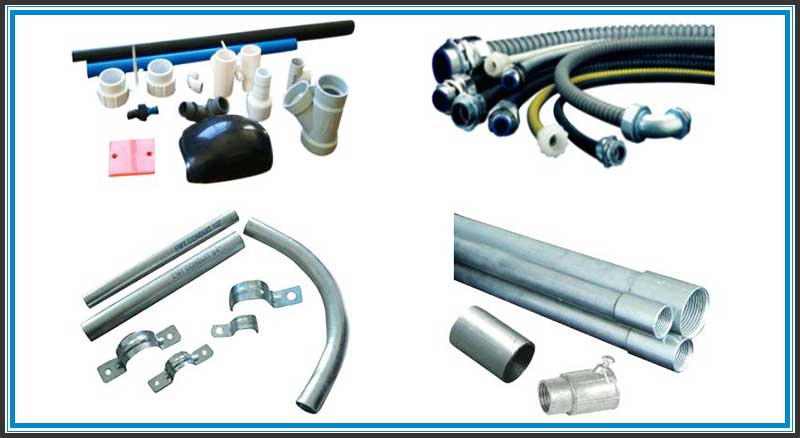
Every type of conduit has its own characteristics, which consists of fittings and connectors. Fittings include components that are more like plumbing fittings like elbows, tees, and couplings. It supports to extend or change the direction of the conduit run. Some of the fittings consist of pull points which nothing but access provided to the conduit’s interior to easily pull wires when required.

Electrical Metallic tubing

EMT or more commonly known as electrical metallic tubing is the most common type of conduit used in exterior or exposed installations. It is generally done in basements, garages, or workshops. It comes in ½ inch diameter and is also referred to as a thin wall because it is very easy to bend with a conduit bender.

The National Electrical Code (NEC) also permits the use of EMT in wet locations but with waterproof fittings and connectors. When properly installed, the EMT raceway can very easily serve as a circuit ground path can be used in place of a separate ground wire running inside the conduit.

Rigid metal conduit and Intermediate metal electrical conduit NZ

For more rigid outdoor structure applications the rigid metal conduit and the intermediate metal conduit are used.  If your home has overheard service wires then the pipe extending to the roof must be RMC or IMC. These types of electrical conduit nz are responsible to protect the wiring going in and out of the breaker box.

Both RMC and IMC can be used interchangeably. But being light and flexible to work makes IMC a preferred choice over RMC these days. NEC permits the use of both RMC and IMC conduits in conditions ranging from dry, wet, and corrosive in nature. In general, they are joined with connectors and fittings.

Flexible metal conduit

Flexible metal conduit (FMC) is also known as “Greenfield”. It is used primarily used in residential circuits like for the connection of garbage disposers and hot water heaters. FMC can only be used in dry locations only and has to be supported on every 4 ½ feet within 12 inches of the electrical box. It can only be applied as a ground path only with certified fittings where the system is flexible even after installation.

Rigid polyvinyl chloride

Rigid polyvinyl chloride (RPC) is another type of conduit much similar to the PVC used in plumbing available at electrical stores. The major difference is that it is a bit thinner than the latter. It is very flexible and heat can be applied to it to change the route of the fitting. Similar to PVC connections in RPC is also glued with a solvent which further helps in waterproofing of the raceway. This quality makes it possible for use in both outdoor and underground applications. Being non-conductive this type of electrical conduit A is not suitable for the ground path.

Let’s Know More About the Types and Advantages of Electrical Conduit Auckland

Construction is one industry that is on a boom, thanks to people who are ready to shell out a huge amount of money on the aesthetics, design, and luxury to build their dream home. When we speak of luxury and aesthetics, the first thing that comes to our mind is the lightening that instantly lightens up the beauty of your property. Comprising numerous electrical devices including heating and ventilation, telephone, lighting, and lot more electrical gadgets, the lighting system also includes electrical conduit Auckland .

A decade back, the entire cabling used to be installed with the wires placed and attached on the outer surface of the walls or below the shelves. However, with the changing time, the entire wiring of the property is instead and hidden under the plaster and the process is named council wiring. So basically, to council the wiring, the electrical conduits NZ are installed prior to finishing off the walls and after the masonry work is completed. 

What exactly are electrical conduits?

An electrical conduit is a pipe that safeguards and offers a way for smooth and seamless electrical wiring in the building. The basic purpose of conduit electrical is to conceal open wiring especially when they are prone to danger or damage. The conduit normally is designed out of plastic, fiber, or metal. They are further classified on the basis of the width of the wall. When making a decision about which conduit to opt for your property, your decision should be based on its use, category of the building, and application. To know better about them, let’s know how many types of electrical conduits are there.

  • Flexible Metal conduit

Commonly referred to as Greenfield, the flexible metal conduit comes with a spiral construction that makes it easy to pass through the walls and other complicated constructions. The best part about these electrical conduits NZ is that they can be twisted and bend easily without any use of additional hardware or joints. These flexible conduits are also very easy to install and are perfect to be used at places where the rigid conduit can’t be installed. Usually, the flexible metal conduits are used and installed in the dry indoor location. These are ideal to be used in air conditioners and heating equipment. 

  • Non-metallic Conduit

Non-metallic conduit is a category that comes is both rigid and flexible types. Usually designed out of PVC, the fittings included are the same as that of the metallic conduit. Few of the many benefits that become chief selling aspects of these conduits are that they are resistant to moisture, any rough or corrosive substance, and are extremely easy to install.

One must be wondering about the advantages of electrical conduit Auckland especially when they are concealed. The chief advantage is that it’s highly safe. Apart from this, let’s read on to learn about other benefits.

  • Conduit electrical could be termed as a safe and secure wiring system.
  • One of the chief advantages of electrical conduits NZ is that theis safeguard the conductors from moisture, impact, and chemical vapors. 
  • Once concealed, you and your child are safe from any electric shock.
  • It’s safe from any wear and tear.
  • Since the electrical wiring is concealed, its renovation is very simple.

Now that you are aware of the many benefits of electrical conduits NZ, it’s highly important that you procure these from a professional and renowned electrical store.

Is Electrical Conduit NZ Necessary While Installing Wires?

What are Electrical Conduits?

Designed and made out of numerous components including fiber, plastic, and metal, electrical conduit NZ safeguards and routes the electrical wiring, whether it’s for your home or your office premises. Depending on your needs and requirements along with the wiring regulations set forth by your national and local codes, these conduits are available in two categories, flexible and rigid. If you find yourself in the dilemma of whether or not to use electrical conduits for your wiring applications, here’s a quick guide that would help you in making a decision.

The electrical Conduit Auckland is available in an array of sizes and if you’ve decided upon using the conduits, it’s always advisable to make the best use of the charts available to settle on the apt size for your application. The guidelines mentioned would help you determine the space available for the conductors that run through the conduits can take up. The size of the conduit required is decided upon the number of wires running.  

For those who are new to the term electrical conduits and the respective benefits, mentioned below are few for a better understanding.

  • The first and foremost benefit of installing wires with conduits is that these are durable and robust in nature and are guaranteed to function and last longer. Covering the wirings, the electrical Conduit NZ shields it from any damage caused because of rodents or exposure.
  • When the wires are installed within the conduits, it becomes extremely uncomplicated and easy to replace them within an existing application. The procedure of fishing out the wires within the smooth and seamless linings of the conduits is comparatively easier as compared to the ugly and random holes in your walls.
  • High-quality electrical conduits Auckland would ascertain that the innumerable wires enclosed within are kept together. In case there’s a short circuit in the line, the procedure of repairing these wires becomes very simple. 
  • Another benefit of opting for electrical conduits from the authentic and genuine online electrical store is that these high-quality conduits safeguard the wires form the bare and exposed surfaces including the rough basement bricks. PVC conduit in this scenario is extremely easy to cut and install, making your electrical wire installation hassle-free.
  • Another category of electrical conduit that’s highly useful and preferred in electrical applications is the aluminum conduit that is highly conductive in nature. In fact, these days numerous utility companies are using aluminum conduits for connecting the power lines, substations, and towers.

If your wires are placed outdoors, it’s extremely beneficial to run them through the underground conduit. This is extremely important since these conduits will protect the wires from the dangerous environmental hazards including rain and snow. This is where the grounding properties of electrical conduits play a significant role in the case of installing them underground and shielding the wirings.

Considering and depending on your local regulations, you would be allowed to use the electrical conduit Auckland to serve as the grounding path. There would however be few areas where green grounding wire would be required to use. It’s always advisable to go through the local regulations before you plan on proceeding installing the electrical conduit.

Installation of Electrical Flexi Conduit Auckland- The Advantages

Technological advancements in the business of construction buildings have seen phenomenal developments in recent times. Availability of the state of the art construction materials has facilitated camouflaging all those items which should not be normally visible. A common example of this development is hiding all electrical wires and cables discreetly inside conduits. The use of flexi conduit for fitting different kinds of electrical cables is quite a popular phenomenon and has been in use for many years now. Most of us have seen these conduits for sure but maybe still not aware of their utility value during the fixing of electrical cables and wires.

In simple terminology for a layman, an electrical conduit Auckland is nothing but a pipe or a tube through which electrical cables are passed as part of the installation process. Such conduits are in use for electrical installations at home, factory, or an office complex. 

 Benefits of Electrical Conduit NZ

Provision of electrical conduits is extremely popular these days and pretty useful because of a number of advantages it offers:

The biggest and major advantage of using flexi conduit is the safety protection it offers to conductors passing through from impact, moisture, and chemical vapors. It is also helpful in simplified designing and fixing a large number of conductors that can be routed through these conduits. 

The use of electrical conduit nz also simplifies the process of making alterations in the wiring system at any time without any disruptions. The provision of conduits helps the removal of old conductors and fixing of new conductors in a very fast manner without much hassle.

Electrical Conduits NZ-Types

A vast range of electrical conduits is available in the market nowadays. By and large, these conduits could be classified based on the wall thickness of the tubing, its stiffness, and the material of its construction. The choice of what type of conduit is to be used for a job depends largely on its application. For instance, for residential applications where wiring systems are relatively much simpler and power requirements are relatively quite low, your electrician could opt for a simpler conduit. But in the case of industrial applications, you will have to consider the use of flexi conduits with thicker walls as machinery installed within typically uses large currents at higher voltages. Furthermore, for indoor and outdoor applications, the choice of electrical conduits will vary. From experience, it has been seen that PVC conduits are most suitable for underground or wet area applications.

Fitting of Conduits

A conduit is helpful in joining or adapting of conductors in an electrical system. Electricians had to use special kinds of tools to curve and shape the conductors when conduits were not in use. And the job could become real tough when rigid materials were to be handled. The technology of conduits has evolved with time and nowadays various types of conduit fittings like couplings, locknuts, bushings or connectors are available. The use of conduits saves a lot of time for electricians as they just need to use a pre-shaped conduit fitting.

Online sourcing of Electrical Conduits

The online purchase of electrical conduit nz is very convenient nowadays. Many companies act as a clearinghouse for electrical goods and maintain large stocks of electrical items and such conduit fittings. Because of tough competition, some companies may ship your order the same day.