
Electrical professionals have been using steel conduits since the early 1990’s for the installation of electric conductors. The thickness and strength of the steel used in the fabrication of electrical conduit NZ are dependent upon the mechanical strength to be provided for the electric conductors to be housed in these conduits. Steel conduits have long been the favored material for conductor protection; even NASA prefers to use these conduits in their installations. These conduits can be adapted for any kind of environment.
Three types of basic steel conduits are in use nowadays. These are rigid metal conduits, intermediate metal conduits, and electrical metal tubing, each having specific features and benefits required for specific applications.
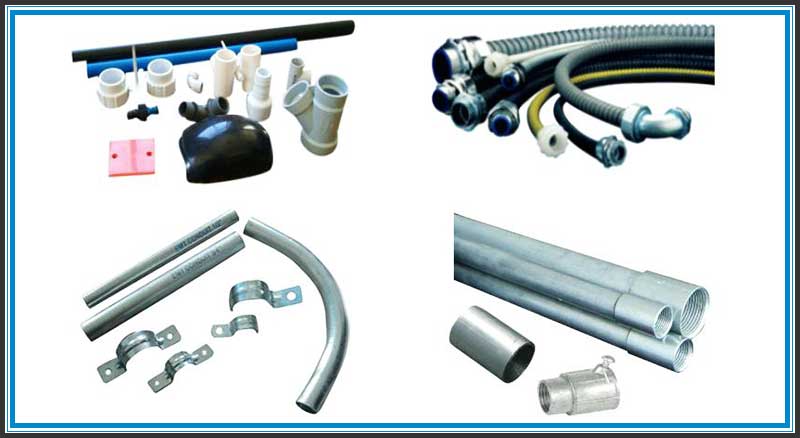
The lightest electrical conduit Auckland available in the market is manufactured from electrical metal tubing (EMT). These conduits provide substantial strength. Since these are made out of lighter-walled steel, they find applications in most exposed locations. On the other hand, the heaviest conduit is a rigid metal conduit (RMC) and comes with the thickest-wall steel compared to other conduits. Intermediate metal conduit (IMC) was developed during the 1970’s as a cost-saving alternative to the rigid electric conduits. The wall thickness of IMC conduits makes these conduits heavier than EMT but these conduits weigh about 1/3 less compared with RMC.
The major advantage of using steel electrical conduit NZ is the incredible toughness provided by steel. Steel is very strong, doesn’t stretch or tear, and is, therefore, helpful in making a conduit shell to protect against any physical damage to the conductors housed inside it. These conduits protect conductors from fire and water, thus preventing many common accidents in any workplace. On top of it all, steel conduits do not sag or become brittle with the passage of time.
The use of steel conduit electrical has many other benefits vis-a-vis non-metallic conduits against exposure to fire or elevated temperatures. Steel protects conductors against burning, decomposition, or in generating heat, smoke, and toxic gases. It will also inhibit the spread of fire because it is non-combustible.
Steel electrical conduit NZ has another major use and that being, these are environment friendly as materials used in their manufacture are reusable. As and when a conductor needs is to be changed? The same steel conduit can be used for fixing the new conductors saving you time, energy, and money.
Steel conduit electrical is quite durable and long-lasting having a useful life of beyond sixty years. In the long run, you save lots of material and money when you use steel conduits.
Steel conduit help cutting down electromagnetic fields (EMF) by up to 95% protecting all computers and other sensitive electronic equipment from EMF interference. Such interferences cause the conductors to operate improperly and needs to be protected.
Other major benefits of using electrical conduits are:
· They’re chemically compatibility with concrete;
· Provide added protection and peace of mind to the owner;
· These are proven equipment grounding conductors.
Steel conduits are preferred in almost all buildings where an electrical conduit and wiring are present including commercial buildings, retail construction, residential buildings, manufacturing/industrial applications, health care, and educational institutions, and many other others.
Your using steel electrical conduit NZ ensures savings of money and materials in the long run over and above all, protection, and safety of your building, equipment, and staff.
 TECH BASHA